
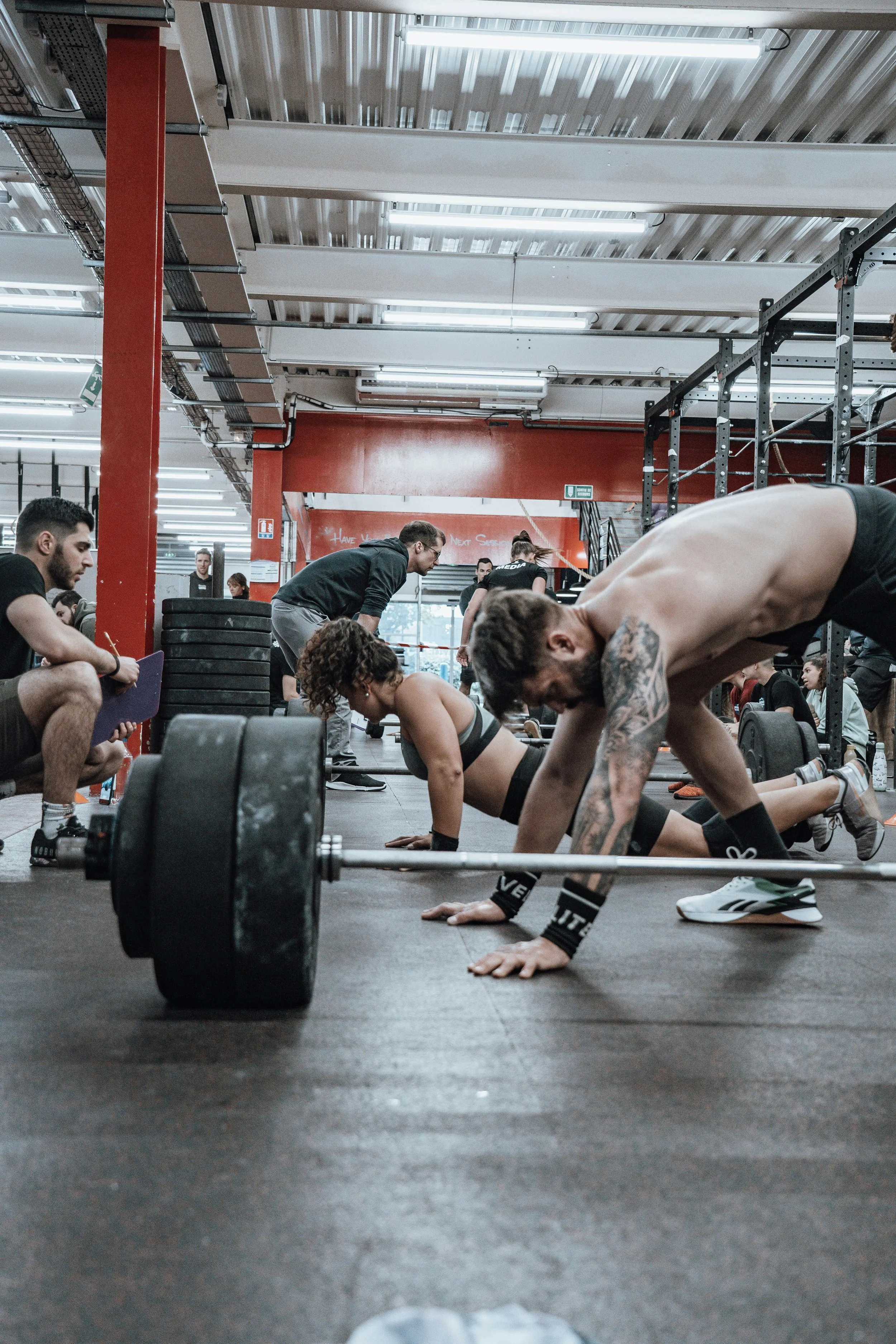
Gym anxiety at 16? How to feel confident in the gym (and keep it healthy)
Confidence in the gym isn’t a feeling you wait for. It’s built from evidence. Here’s how to get past the nerves and keep fitness good for your head.
Quick answer: Gym anxiety is normal, and it fades faster than you’d think. Start simple, learn one thing at a time, ask staff for help and focus on your own workout. Confidence comes from evidence, not from waiting to feel ready: every session you log is proof you can do it. Compare yourself only with your own starting point, and speak to someone if fitness starts controlling your life rather than improving it.
The hardest rep for a lot of beginners isn’t in the gym. It’s walking through the door.
You worry people will stare. That you’ll use a machine wrong. That you’re too small, too big, or obviously new. If that’s you, you’re not the only one. Everyone in that gym was new once.
Why gym anxiety happens (and why it fades)
When everything is unfamiliar, your brain treats it as a threat. Unknown room, unknown equipment, unknown rules. It’s the same feeling as a first day at a new school.
The fix isn’t to wait until you feel brave. It’s to make the gym familiar. You’re not expected to understand every machine or exercise straight away. What helps:
• Start simple
• Ask staff for help
• Train with someone you trust if you need to
• Focus on your own workout
• Learn one thing at a time
Most people in the gym are far more focused on their own training than on what you’re doing.
Confidence you can measure
Confidence in the gym isn’t a feeling you sit around waiting for. It’s a by-product of evidence.
Six weeks ago you didn’t know where the changing rooms were. Now you walk in, you know your programme, and you’ve added weight to a lift you couldn’t do at all. That’s not a mindset trick. It’s a record of things you actually did.
You’re not waiting to feel ready. You’re collecting proof. A simple training log makes this obvious, and there’s one in my first gym checklist.
Confidence built this way travels. Doing something hard on purpose and getting measurably better at it changes what you believe you can do outside the gym too.
Motivation vs routine
Motivation comes and goes. Some days you’ll be excited to train. Other days you won’t.
Routines make good habits easier to repeat when motivation is low:
• Have regular training days
• Pack your gym bag the night before
• Plan meals
• Keep a regular sleep routine
• Keep your programme simple
Commitment is the Tuesday session you do when you don’t feel like it. Motivation gets the credit. Commitment does the work.
Consistency doesn’t mean perfect
Consistency means you keep coming back.
None of these ruin anything: a missed session, a takeaway, a holiday, exams, bad sleep, a busy weekend.
What does cause problems is punishing yourself for them. Starving yourself, adding extra workouts, doing hours of cardio or skipping meals to “make up for it”. Just get back to your normal routine at the next chance. Progress comes from what you do over months and years, not whether every day was perfect.
Comparison and body image
At 16 to 19, two people the same age can look completely different. Genetics, height, puberty, training history, sport and body structure all play a part. Someone else’s body isn’t a useful target for yours.
Compare yourself with your own starting point. Look at strength, fitness, technique, energy, confidence and consistency, not just how you look. If you want to understand why development varies so much, read should teenagers bulk?
What training does to your mood
Training changes how you feel, not just how you look. Most people notice it long before they see anything in the mirror.
When you train, your body releases endorphins, the chemicals behind that lifted feeling after a hard session. Dopamine, which is tied to motivation and reward, is part of why finishing something difficult feels good. Nobody can promise you a mood, but UK guidance does say regular physical activity supports better mood, better sleep, lower anxiety and higher self-esteem in young people.
The look takes months. The mood shows up the same day.
Training won’t fix a bad day on its own. But it changes how the day feels, and it doesn’t cost you anything.
Training with other people
Gyms look intimidating from the outside and turn out to be one of the easier places to meet people. Everyone there is doing the same thing at the same time.
• Train with a friend where you can
• Ask someone for a spot
• Learn the names of the staff
• Say yes when someone asks how many sets you’ve got left
A session with someone else is easier to turn up to and harder to skip.
When fitness starts becoming unhealthy
Fitness should improve your life, not control it. These are worth talking to someone about:
• Constantly worrying about food
• Being frightened of certain foods
• Often skipping meals
• Fast or unexplained weight loss
• Feeling guilty whenever you eat
• Feeling guilty for taking a rest day
• Exercising because you feel you have to “burn off” food
• Training through injuries
• Constantly checking your body
• Hiding supplement or drug use
For boys, signs can also include being obsessed with getting bigger, always feeling “too small”, extreme bulking and cutting, using large amounts of supplements, hiding performance-enhancing drugs and extreme dieting to stay lean. For girls, periods becoming very irregular or stopping, or training and dieting starting to control your life, are worth taking seriously.
NHS guidance recognises very restrictive eating, rigid routines around food and excessive exercise as possible warning signs of eating difficulties. They don’t automatically mean someone has an eating disorder, but they’re worth being open and talking about.
Know when to ask for help
You don’t have to sort everything out on your own. Depending on the problem, useful people include a parent or guardian, your GP, a school nurse, a physiotherapist, a registered dietitian or a qualified coach.
Exercise supports your mood, but it isn’t treatment. If you feel low most days, if things you used to enjoy have stopped feeling good, or if training has become the only thing holding your week together, tell someone. If food or body image is worrying you, Beat, the UK’s eating disorder charity, has a helpline and online support.
Speaking to someone early isn’t an overreaction. It’s the same as asking a coach to check your technique.
FREQUENTLY ASKED QUESTIONS
How do I get over gym anxiety?
Make the gym familiar. Go at quieter times at first, ask for an induction, follow a simple plan, and learn one thing at a time. Every session you complete makes the next one easier.
What should I do if I feel like everyone is watching me at the gym?
Remember that most people are focused on their own training. Put your headphones in, follow your plan and write down your sets. Having a clear plan stops you wandering around looking unsure.
How do I stay motivated to go to the gym?
Don’t rely on motivation. Build a routine: fixed training days, a packed bag and a simple programme. Routines carry you through the days motivation doesn’t turn up.
Is it normal to compare my body to others at the gym?
It’s common, but it isn’t useful. People develop at different speeds. Compare yourself with where you started, using strength, technique, fitness and confidence.
Can going to the gym help with anxiety?
Regular physical activity is linked with better mood, better sleep and lower anxiety in young people. It isn’t a replacement for proper support, so talk to someone if you feel low most days.
Want someone in your corner?
For a lot of beginners, the hardest part is the first few weeks of not knowing what to do. That’s exactly what coaching fixes. My private gym in Guildford means no crowds and no waiting, and online coaching means you’ve got someone to message whenever you’re unsure. See coaching for teens and young adults. New to it all? Start with your first month at the gym.
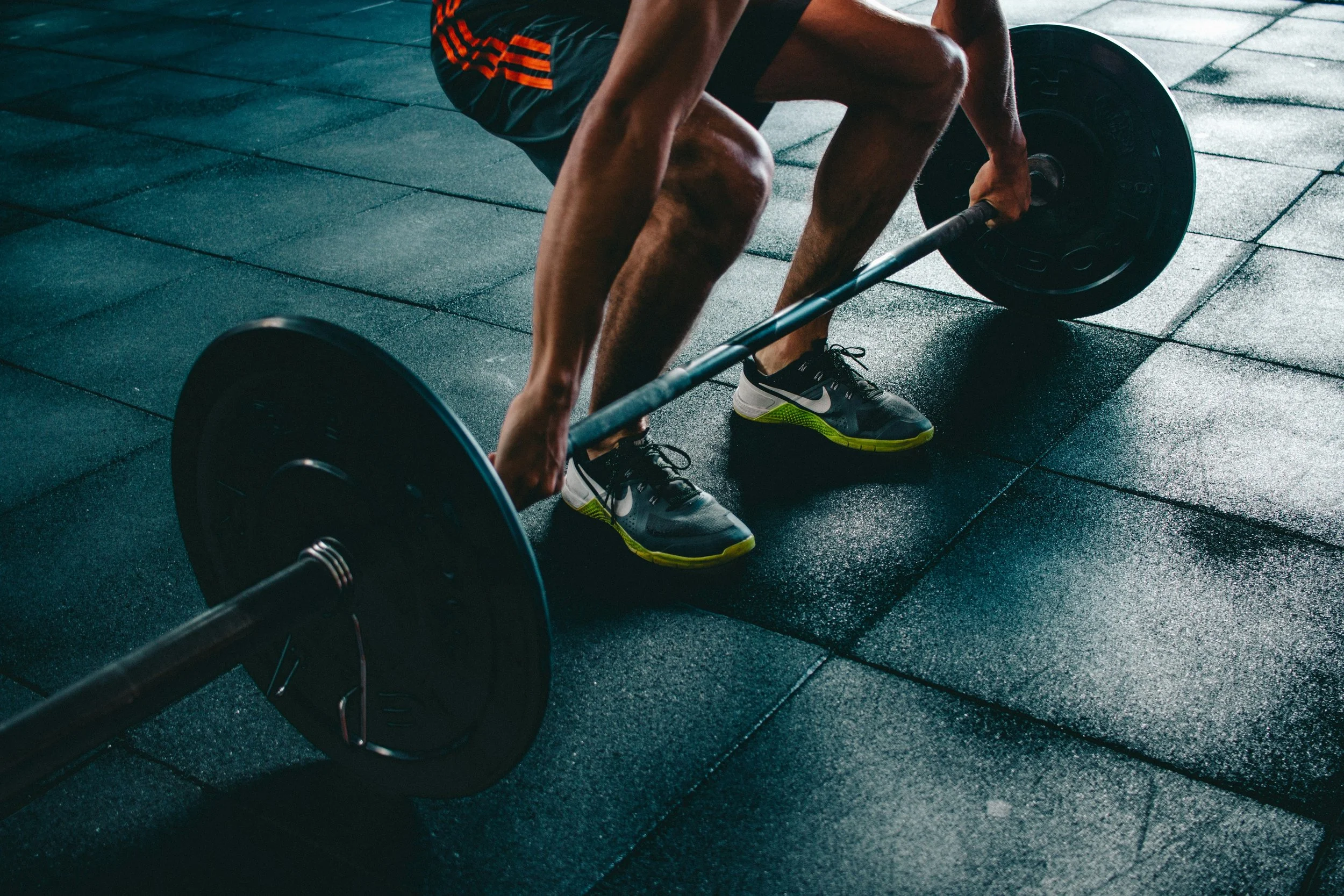
Is lifting weights safe for teenagers? Gym safety rules for beginners
Lifting weights is safe for teenagers when it’s done properly. Here’s how to learn new exercises, avoid ego lifting and know when pain means stop.
Quick answer: Yes. Properly designed and supervised resistance training is considered safe for young people, and it hasn’t been shown to stunt growth. Most problems happen when people use equipment wrongly, lift more than they can control or mess about. Learn each exercise with a light weight first, never lift to impress anyone, stop if you feel sharp pain, and never take steroids or SARMs.
“Lifting weights will stunt your growth.” If you’re 16, there’s a good chance someone has told you this. Probably a relative, possibly at a family dinner.
It isn’t true. Properly designed and supervised resistance training is considered safe for young people and hasn’t been shown to stunt growth. Young people can gain strength with low injury rates when training is supervised and technique comes first.
Gym training can be very safe. Problems tend to happen when people use equipment wrongly, lift more than they can control or behave recklessly. Here’s how to avoid all three.
Learn before you load
Use these five steps every time you try something new:
1. Learn the setup
2. Practise the movement
3. Use a light weight
4. Get feedback if you can
5. Add weight gradually
Good movement skills make it easier to safely progress to heavier weights later. Learn how to do an exercise before trying to make it hard. My beginner gym routine uses machines for exactly this reason.
What is ego lifting, and why does it matter?
Ego lifting is choosing a weight because you want to impress people, not because you can control it.
Use a weight that lets you:
• Control the movement
• Keep good technique
• Finish the reps you planned
• Stop the set safely
The number on a dumbbell doesn’t matter if the exercise is done badly. Training is about improving your body, not proving something to the person next to you. Most people in the gym are far more focused on their own training than on what you’re lifting.
How to use gym equipment properly
Before using a new machine or piece of kit:
• Understand how it works
• Adjust the seat correctly
• Check pins and clips
• Use safety catches where there are some
• Keep the area around you clear
• Ask for help if you’re unsure
Never mess about with gym equipment. Never push, distract or challenge someone while they’re lifting. Proper supervision, sensible progression and the right equipment all reduce the risk of resistance training for young people.
When do you need a spotter?
Some exercises can trap you under the weight if you fail a rep. The barbell bench press and barbell squat are the obvious two.
If you train these:
• Learn how the safety equipment works
• Set the safety arms correctly
• Use a suitable spotter when you need one
• Don’t attempt maximum lifts alone
If you don’t know how to safely fail an exercise, ask someone qualified before you use heavy weights.
Pain or normal effort? How to tell the difference
Training can feel uncomfortable. That’s different from something being wrong.
Normal: keep going
Not normal: stop
Muscles burning
Sudden sharp pain
Heavy breathing
Severe pain
Muscle fatigue
A joint giving way
Numbness or tingling
Significant swelling
If something feels suddenly wrong, stop. Don’t carry on because someone told you to “push through the pain”. Persistent or significant pain should be checked by a healthcare professional. Normal next-day muscle soreness is covered in rest days, sleep and sore muscles.
Steroids: why they’re NEVER a shortcut
Anabolic steroids are prescription-only medicines that some people misuse to build muscle and performance. They’re completely different from normal supplements like protein powder.
Misusing them can cause serious physical and psychological side effects. The NHS also warns that steroid misuse during adolescence can affect bone development and potentially restrict normal growth. They’re not a shortcut a young person should experiment with. Don’t ever take them.
SARMs: not a “safer” steroid
SARMs stands for Selective Androgen Receptor Modulators. You might see names like Ostarine, Ligandrol or RAD-140. They’re sometimes sold online as a “safer” alternative to steroids. They’re not.
UK Anti-Doping says no SARM has been approved for human use by a medicines regulator, and that they’re illegal to sell or advertise as food or dietary supplements in the UK. They’re also banned in competitive sport.
Don’t take them. Don’t buy anything labelled “research chemical”, “not for human consumption”, “legal steroid” or “SARM” because someone says it’ll build muscle faster.
If someone offers you something
Tablets, injections, unknown powders, “muscle builders”, SARMs, steroids: don’t take them. You don’t owe anyone an explanation.
If you’re not sure what something is, talk to a parent, guardian, qualified coach or healthcare professional.
Ten gym safety rules to remember
1. Learn an exercise before making it heavy.
2. Never lift to impress someone else.
3. Use equipment properly.
4. Ask for help when you don’t understand something.
5. Use safety equipment and spotters when you need them.
6. Don’t attempt risky maximum lifts alone.
7. Don’t push through sudden or sharp pain.
8. Never take unknown pills, powders or injections.
9. Avoid anabolic steroids and SARMs.
10. Nothing in the gym is more important than your long-term health.
FREQUENTLY ASKED QUESTIONS
Does lifting weights stunt growth?
No. Properly designed and supervised resistance training hasn’t been shown to stunt growth and is considered safe for young people.
At what age is it safe to start lifting weights?
Supervised resistance training with good technique is considered safe for young people, including younger teenagers. Gym age rules vary, and many UK gyms let you train on your own from 16. What matters most is learning technique before adding weight.
Is it safe for a 16 year old to bench press?
Yes, with good technique, a sensible weight and safety measures in place. Set the safety arms, use a spotter when you need one, and don’t attempt maximum lifts on your own.
Are SARMs legal in the UK?
UK Anti-Doping says no SARM has been approved for human use by a medicines regulator, and they’re illegal to sell or advertise as food or dietary supplements in the UK. They’re also banned in sport. DO NOT TAKE THEM EVER.
How do I know if gym pain is serious?
Burning muscles, heavy breathing and muscle fatigue are normal. Sudden sharp pain, severe pain, a joint giving way, numbness, tingling or significant swelling aren’t. Stop and get it checked.
Want someone checking your technique?
The safest way to start is with someone watching how you move. I coach 16 to 21 year olds in my private gym in Guildford and online, with technique videos for every exercise. See coaching for teens and young adults. If you’re a parent reading this, my first gym checklist includes a short section for you.
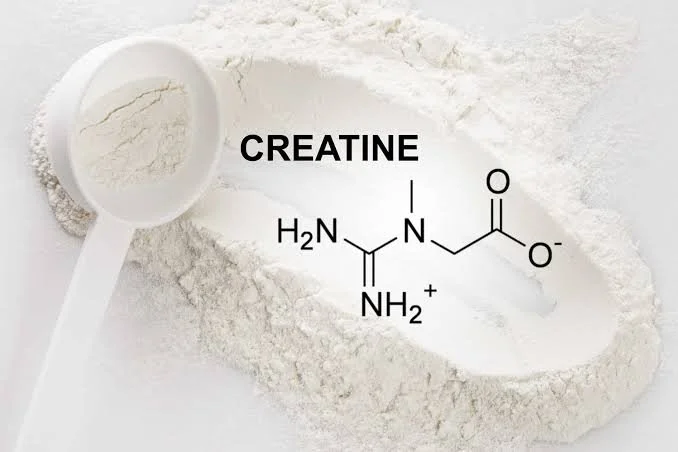
Should teenagers take creatine? Supplements for teens explained
Protein powder, creatine, pre-workout and vitamin D explained honestly. What’s useful, what’s a waste of money, and what you should never take.
Quick answer: No, a teenage beginner doesn’t need creatine, protein powder or pre-workout to make good progress. Food, water and sleep come first. Protein powder is fine for convenience but isn’t magic. Research on creatine in teenagers is still limited, so under 18 it shouldn’t be started just because someone recommended it. The one supplement with specific UK guidance is vitamin D in autumn and winter.
Walk into any gym and you’ll see tubs everywhere. Protein, creatine, pre-workout, BCAAs, “test boosters”. It’s easy to think they’re part of the deal.
They’re not. Supplements should be exactly what the name says: a supplement to a good diet, not a replacement for one. A beginner doesn’t need a cupboard full of powders and tablets. Good food wins every time.
Do teenagers need protein powder?
No. You can get all the protein you need from normal food. Chicken, eggs, milk, Greek yoghurt, fish, beans and lentils all do the job.
Protein powder is a convenient source of protein. Whey comes from milk, and there are plant-based versions too. It can be useful when getting enough protein from meals is hard or inconvenient. But it doesn’t build more muscle than the same amount of good-quality protein from normal food. Use it for convenience, not because you think it’s magic.
Should teenagers take creatine?
Creatine is a substance your body makes naturally. It’s also found in foods like meat and fish. Creatine monohydrate is widely used to help performance during repeated high-intensity exercise.
Does a beginner need it? No. You can make excellent progress without it.
Research on creatine in teenagers is much smaller than research in adults. Recent reviews haven’t found consistent short-term safety problems in the studies available, but the number of studies and the long-term data in teenagers is still limited. So under 18, creatine shouldn’t be started just because someone on social media or at the gym told you to.
If you’re thinking about it:
• Tell a parent or guardian
• Make sure your diet and training are already good
• Speak to a suitably qualified professional where needed
• Use a reputable, quality-tested product
If you’re 18 or 19, the same logic applies. Get the basics right first. Creatine tops up a diet and training plan that’s already working. It can’t fix one that isn’t.
Do teenagers need vitamin D?
Vitamin D is different from most gym supplements because there’s specific UK public health guidance on it. It helps keep bones and muscles healthy and helps your body use calcium.
Everyone in the UK over the age of 4 should consider taking 10 micrograms of vitamin D a day during autumn and winter. Some people are advised to consider it all year, including those who get very little sunlight and people with darker skin. Taking more isn’t better.
Pre-workout, caffeine and energy drinks
Caffeine is a stimulant that can make you feel more alert. It’s in coffee, energy drinks, pre-workout and some soft drinks.
Does a beginner need it to train? No.
The main problem is sleep. Caffeine can interfere with it, especially later in the day, and at 16 to 19 getting enough sleep matters far more than using stimulants because you’re tired. Don’t use caffeine to cover up poor recovery.
High-caffeine energy drinks have raised enough concern about young people’s health that the UK government has confirmed a ban on selling them to under-16s in England. It’s due to start in April 2027 and covers drinks with more than 150mg of caffeine per litre, in shops, vending machines and online.
Supplements you don’t need
Save your money on these:
• BCAAs
• Fat burners
• Test boosters
• “Muscle” pills
• Detox products
• Stacking several pre-workouts
If someone promises dramatic muscle gain or fat loss from a powder or tablet, be cautious. The basics still matter more: training, nutrition, recovery and time.
Are supplements safe?
Supplements aren’t guaranteed to contain exactly what the label says. UK Anti-Doping warns that no supplement is guaranteed to be free of banned substances.
To stay safe:
• Don’t take random products from other people
• Read the ingredients
• Never be tempted by an unknown online brand
• Tell a parent or guardian if you ever take a supplement
• Don’t stack lots of products together
• Check whether you actually need it
If you compete in tested sport, look for products that have been batch tested, for example through Informed Sport. Batch testing reduces the risk but can’t make it zero.
Steroids and SARMs are a completely different thing from supplements, and you should never take them. I’ve covered why in is lifting weights safe for teenagers?
The simple rule
Food, water and sleep first. A supplement can only top up a diet that’s already working. No powder replaces a plate. If you’re not sure what a good plate looks like, start with what teenagers should eat to build muscle.
FREQUENTLY ASKED QUESTIONS
Is creatine safe for a 16 year old?
Research on creatine in teenagers is limited. Recent reviews haven’t found consistent short-term safety problems, but there isn’t much long-term data. A 16 year old beginner doesn’t need it. If you’re considering it, talk to a parent or guardian and a qualified professional first.
Can a 16 year old take protein powder?
Protein powder is a food product, but you don’t need it. You can get all the protein you need from meals. If you use it, treat it as a convenient snack, not a requirement, and keep a parent or guardian in the loop.
Should teenagers take pre-workout?
No. A beginner doesn’t need caffeine or pre-workout to train properly, and caffeine can affect your sleep, which matters more for your progress.
What supplements should a teenager take for the gym?
Most teenagers don’t need any. The one with specific UK guidance is vitamin D: 10 micrograms a day in autumn and winter.
When does the energy drink ban start?
The UK government has confirmed that selling high-caffeine energy drinks (over 150mg of caffeine per litre) to under-16s in England will be banned from April 2027.
Want honest advice on what to buy?
If you want a plan where food and training do the heavy lifting, see coaching for teens and young adults. For more on how muscle is actually built, read should teenagers bulk?
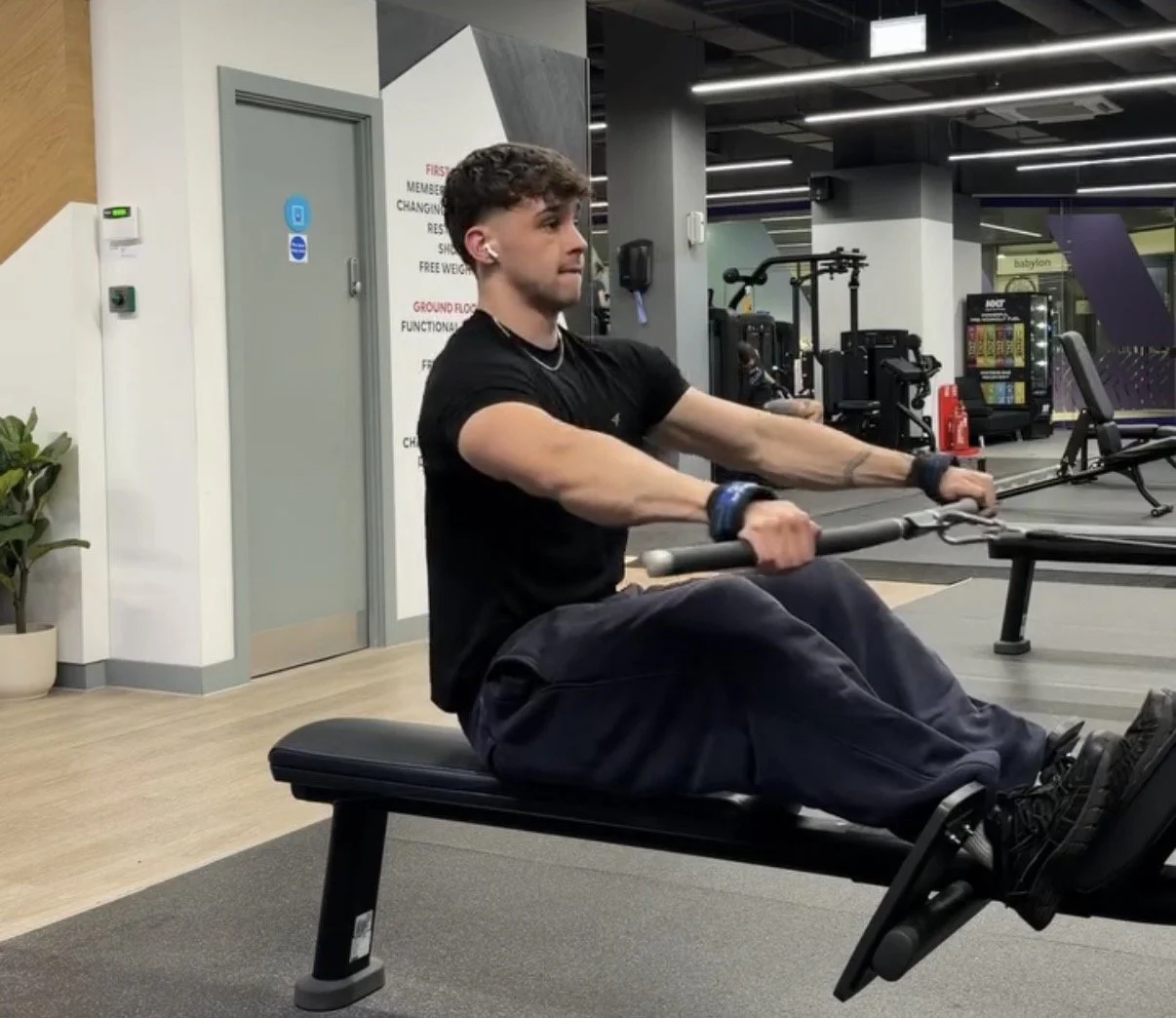
Rest days, sleep and sore muscles: recovery for teenage gym beginners
Sleep isn’t time off from training. It’s when the training pays out. Here’s how to recover properly around school, college, exams and sport.
Quick answer: Most teenagers need 8 to 10 hours of sleep a night, and beginners don’t need to train hard every day. Two to three gym sessions a week, with rest days in between, is plenty. Feeling a bit sore after something new is normal, but soreness isn’t a sign of a good workout. School, exams and sport all use up the same recovery, so train less in busy weeks rather than more.
Here’s the part most beginners skip. Training is only one part of making progress. Your body needs time, food and sleep to adapt to the work you do in the gym. Recovery is the bit that decides whether the training actually works.
How much sleep do teenagers need?
Around 8 to 10 hours a night for 13 to 18 year olds. Once you’re 19, most adults need 7 to 9 hours.
Sleep is when your body and brain do a lot of the work needed for recovery and normal development. Good sleep supports growth, recovery, concentration, learning, mood and training performance.
Teenagers naturally feel sleepy later because their body clock shifts, which makes a steady routine even more useful. To sleep better:
• Go to bed and get up at roughly the same time
• Cut down on bright screens close to bedtime
• Keep your room dark and comfortable
• Avoid lots of caffeine, especially later in the day
Sleep isn’t something to sacrifice to fit in another workout. It’s when the training pays out.
How many rest days does a teenager need?
A rest day is a day without a hard training session. It doesn’t mean lying on the sofa all day. You can still walk, stretch, see friends, play light sport and carry on with normal life.
Leave enough time between hard sessions for the muscles you trained to recover. For most beginners, that means 2 to 3 gym sessions a week on days that aren’t back to back. You don’t need seven hard sessions a week.
Training creates fatigue as well as improvement. Rest lets the fatigue drop so you can train well again. Rest days are part of the programme, not a break from it. The sample week in your first month at the gym shows how this fits together.
Why am I so sore after the gym?
Feeling sore a day or two after doing something new, or harder than usual, is normal. It’s often called DOMS, which stands for delayed onset muscle soreness.
If you’re mildly sore:
• Keep moving
• Eat normally
• Stay hydrated
• Sleep properly
• Give the muscle time to recover
Soreness isn’t a score for how good your workout was. You can make excellent progress without being sore after every session. Trying to make yourself as sore as possible is pointless.
Soreness or something wrong?
Normal effort feels like muscles burning, heavy breathing and muscle fatigue. Uncomfortable, but expected.
Not normal: sudden sharp pain, severe pain, a joint giving way, numbness, tingling or significant swelling. If something feels suddenly wrong, stop. Don’t push through because someone told you to. Persistent or significant pain should be checked by a healthcare professional. There’s more in my gym safety guide for teenagers.
Training around school, college, exams and sport
Your body doesn’t separate gym stress from everything else. School, exams, football, the gym and poor sleep all come out of one budget.
A week with all of that is very different from a quiet week. During busy periods:
• Cut back training if you need to
• Put sleep first
• Keep eating properly
• Don’t panic about missing the odd session
Missing one workout for an exam, a match or a busy week won’t destroy your progress. Fitness should fit into your life. Doing everything at maximum effort all the time eventually makes the quality of everything worse.
When not to train
Consistency matters, but turning up in the wrong state isn’t consistency. Some days the right decision is to leave it, and that’s a decision, not an excuse.
• When you’re ill. Training won’t clear it faster and usually drags the week out.
• When you’re exhausted. A heavy week of school, work, sport or travel counts as training your body has already done.
• When you feel a twinge. A niggle in a muscle or joint is worth letting settle rather than testing under a heavy set.
• When you’ve barely eaten or slept. Train tomorrow, when the session is actually worth doing.
A missed session costs you almost nothing. Training through something that needed rest can cost you weeks.
Eating enough to recover
Under-fuelling means your food doesn’t give you enough energy for your training, activity and normal body functions. It affects boys and girls.
Possible warning signs include constant tiredness, falling performance, struggling to recover, frequent injuries or illness, feeling cold a lot, mood changes and trouble concentrating. For girls, periods becoming very irregular or stopping is not something to accept as normal just because you train a lot. For boys, under-eating can affect hormones, bone health, recovery and your ability to build muscle.
These signs can have lots of causes, so don’t try to diagnose yourself. Talk to a parent or guardian and a healthcare professional. For what to eat, see what teenagers should eat to build muscle.
FREQUENTLY ASKED QUESTIONS
How many rest days should a teenager take from the gym?
Most beginners do best with 2 to 3 gym sessions a week and rest or lighter activity on the days in between. Keep at least one full rest day a week.
How much sleep do teenagers need to build muscle?
Around 8 to 10 hours a night for 13 to 18 year olds, and 7 to 9 hours for most adults from 19. A regular bedtime and wake time helps a lot.
Is it bad to go to the gym when sore?
Mild soreness is fine. Keep moving, and train other muscles or go a bit lighter. If the soreness is severe, or it’s sharp pain rather than muscle ache, rest and get it checked if it doesn’t settle.
Does being sore mean the workout worked?
No. Soreness isn’t a measure of a good session. You can make great progress without being sore.
Should I go to the gym during exams?
Shorter, lighter sessions are fine if they help you feel better, but sleep and revision come first. Missing a few sessions won’t undo your progress.
Want a plan that fits around school and sport?
My coaching for teens and young adults builds your training around your actual week, including exams, matches and busy patches. Recovery affects your head as much as your body, so read gym anxiety and confidence next.
Should teenagers bulk? Building muscle and losing fat at 16 to 19
You don’t automatically need to bulk because you started lifting. Here’s what actually builds muscle at your age, and how long it really takes.
Quick answer: Most teenagers don’t need to bulk. A 16 to 19 year old beginner can usually build muscle from proper resistance training, eating enough, getting enough protein and sleeping well. Your body may already be gaining weight as you grow. Eating far more than you need doesn’t build muscle faster. The extra mostly becomes body fat.
Scroll for five minutes and you’ll see someone telling you to eat everything in sight to get big. Scroll for five more and someone else is cutting to get shredded for summer.
At 16 to 19 you don’t need either extreme. Your body can change a lot through training and food, but there’s no need to rush it. You’ve got years ahead to build strength, muscle and fitness.
What actually builds muscle?
Six things. There’s no seventh.
1. Resistance training
2. Progressive overload (asking for slightly more over time)
3. Enough food
4. Enough protein
5. Good sleep
6. Time
Training gives your muscles a reason to adapt. Food gives you the energy and nutrients to do it. Sleep and recovery give your body time to finish the job. No special exercise, food or supplement replaces those basics. If you’re not sure how to train for it, start with my beginner gym routine for teenagers.
Do teenagers need to bulk?
Bulking usually means eating more food on purpose to gain bodyweight and muscle.
Does every beginner need to? No. A 16 to 18 year old beginner can often improve quickly just from:
• Starting proper resistance training
• Eating enough
• Getting enough protein
• Sleeping properly
Your body may also already be gaining weight naturally as you grow.
If you do need to gain weight
Some people are naturally slim and struggle to eat enough. If that’s you, focus on regular meals, slightly bigger portions, nutritious higher-energy foods, protein, carbs and healthy fats. My simple guide to eating for the gym has a four-step meal builder that helps.
You don’t need huge amounts of takeaway food to gain size. Muscle growth needs enough energy, but eating far more than you need doesn’t make muscle grow any faster. More food than you need doesn’t become more muscle. It becomes more body fat.
How should teenagers lose fat?
Body fat goes down when your body uses more energy than it gets from food over time. That’s called an energy deficit.
What’s different at 16 to 18 is that your body may still be growing. That means aggressive calorie cutting and extreme diets aren’t appropriate. If reducing body fat makes sense for you:
• Eat balanced meals
• Cut back on unnecessary high-calorie extras
• Stay active
• Keep resistance training
• Get enough sleep
• Keep fruit, veg and protein in your diet
• Avoid crash diets
Small, steady changes are easier to keep up and less likely to interfere with your health, development and normal eating habits.
Where BMI fits at your age
For 16 and 17 year olds, the NHS uses a child and teenager BMI calculator based on age, sex and growth, rather than the standard adult calculation. The NHS suggests using it with a parent or carer and speaking to a GP or school nurse if there are worries about weight or growth. From 18, the adult version applies.
If there’s a real concern about your weight, involve a parent or guardian and a healthcare professional rather than trying to fix it alone.
Puberty: why your mate looks bigger than you
Everyone develops at a different speed. Two people who are both 16 can be at very different stages physically.
For boys, rising testosterone during adolescence can change height, muscle mass, strength and body shape. Someone who matures earlier may look much bigger or stronger than someone exactly the same age. Trying to catch up by overtraining, overeating or using drugs won’t speed up normal development.
For girls, puberty naturally changes body shape, body fat distribution, bodyweight, hormones and the menstrual cycle. These normal changes shouldn’t be treated as something to diet away. Girls can still get significantly stronger and more muscular through resistance training.
You’re not behind. You’re on your own timeline.
How to measure progress without obsessing over the scales
A single weigh-in tells you very little. Your bodyweight changes day to day because of food, water, carbs, salt and digestion.
Here are nine signs of progress, and not one of them needs scales:
1. Lifting more weight
2. Doing more reps
3. Better technique
4. Better fitness
5. Better coordination
6. More confidence
7. Better energy
8. Training consistently
9. More muscle over time
For a young person, weighing yourself is optional. It should be information, not something that controls your mood or what you eat. If tracking your weight starts making you anxious or changing how you eat in an unhealthy way, stop and talk to someone.
How long does it take to build muscle as a teenager?
Longer than social media suggests. Here’s roughly when the work you do today pays off:
Today: Nothing yet
2 weeks: Technique
6 weeks: Strength
6 months: Visible change
Years: A habit for life
Strength often improves quickly at first because you’re getting better at the exercises. Visible muscle takes longer. Your progress also depends on genetics, development, training experience, food, sleep and consistency.
The goal isn’t to transform yourself in 30 days. It’s to build habits, and a body, that get stronger and healthier over years.
FREQUENTLY ASKED QUESTIONS
Should a 16 year old bulk?
Usually not. Most 16 year old beginners build muscle from good training, eating enough, getting enough protein and sleeping well. If you’re naturally slim and struggling to eat enough, slightly bigger portions of normal, nutritious food help more than a dirty bulk.
Can teenagers build muscle?
Yes. Teenagers can build strength and muscle through properly designed resistance training. Everyone develops at a different rate, so compare yourself with your own starting point, not other people.
Is it safe for teenagers to diet?
Extreme diets and aggressive calorie cutting aren’t appropriate while you’re still growing. If you want to lose some body fat, small changes like balanced meals, fewer high-calorie extras and staying active are safer and easier to keep up.
How fast can a teenager gain muscle?
Strength often improves in the first few weeks. Visible muscle usually takes months. Think in months and years rather than days.
Why am I not growing as fast as my friends?
Puberty happens at different times for different people. Someone who matures earlier can look much bigger at the same age. Overtraining or overeating won’t speed up your development.
Want to build muscle the steady way?
I coach 16 to 21 year olds who want to build muscle properly, without crash diets or giant bulks. See coaching for teens and young adults, or grab my Kick-Starter training plan from the store. Before you buy anything else, read what supplements teenagers actually need. Spoiler: not many.
What should teenagers eat to build muscle? A simple guide
No meal plans, no counting every gram. Just how to build a plate that fuels growth, training and normal life, in four steps.
Quick answer: Teenagers who go to the gym should eat enough food, eat a mix of foods and do it most of the time. Build each meal from four parts: a protein, a carb, some fruit or veg and a bit of healthy fat. Include protein regularly through the day. Don’t cut out carbs. Drink water throughout the day. You don’t need supplements or a perfect diet, just a good enough one, repeated.
When you start the gym, food suddenly becomes confusing. One video says cut carbs. Another says eat 4,000 calories. Someone at school is living on chicken and broccoli.
At 16 to 19, food does a lot more than change how you look. Your body uses it for growth, bones, hormones, concentration, training, sport and recovery. The aim isn’t a perfect diet. It’s giving your body what it needs most of the time.
How much should a teenager who trains eat?
Enough. That sounds vague, but it’s the most important rule.
Your food needs depend on your size, sex, activity, sport, training and stage of development. Training and sport raise the amount of energy you use. During growth spurts, appetite and food needs can go up a lot.
Eating too little for a long time can affect recovery, performance, bone health and normal body function, in boys and girls. So if you’re hungry, eat. Regular meals, not skipping them, is a good place to start.
Protein, carbs and fats: what each one does
These three are called macronutrients. Your body needs all three, and cutting one out doesn’t speed anything up.
Protein: helps build and repair
Chicken, turkey, beef, fish, eggs, milk, Greek yoghurt, cottage cheese, beans, lentils, tofu
Carbohydrates: Provide energy
Rice, potatoes, pasta, bread, oats, cereal, fruit, beans and pulses
Fats: Support normal health
Nuts, seeds, olive oil, eggs, avocado, oily fish
The easiest way to remember it: protein builds, carbs fuel, fats keep everything working.
How much protein does a teenager need?
You don’t need enormous amounts, and you don’t need protein shakes. Include a protein source with your main meals and spread it through the day. If every meal and most snacks have some protein in them, you’re doing the job.
Are carbs bad?
No. Carbs are an important source of energy, especially if you train or play sport. They help fuel your sessions and refill what you used. More active days naturally need more food than quiet ones.
Do I need to cut fat?
No. Fat is an essential part of your diet. Your body uses it for growth, hormone production, brain and cell health, and absorbing certain vitamins. Trying to strip almost all fat out of your diet isn’t necessary, especially while you’re still developing. Oils, nuts and nut butters carry a lot of energy, so small portions are usually enough.
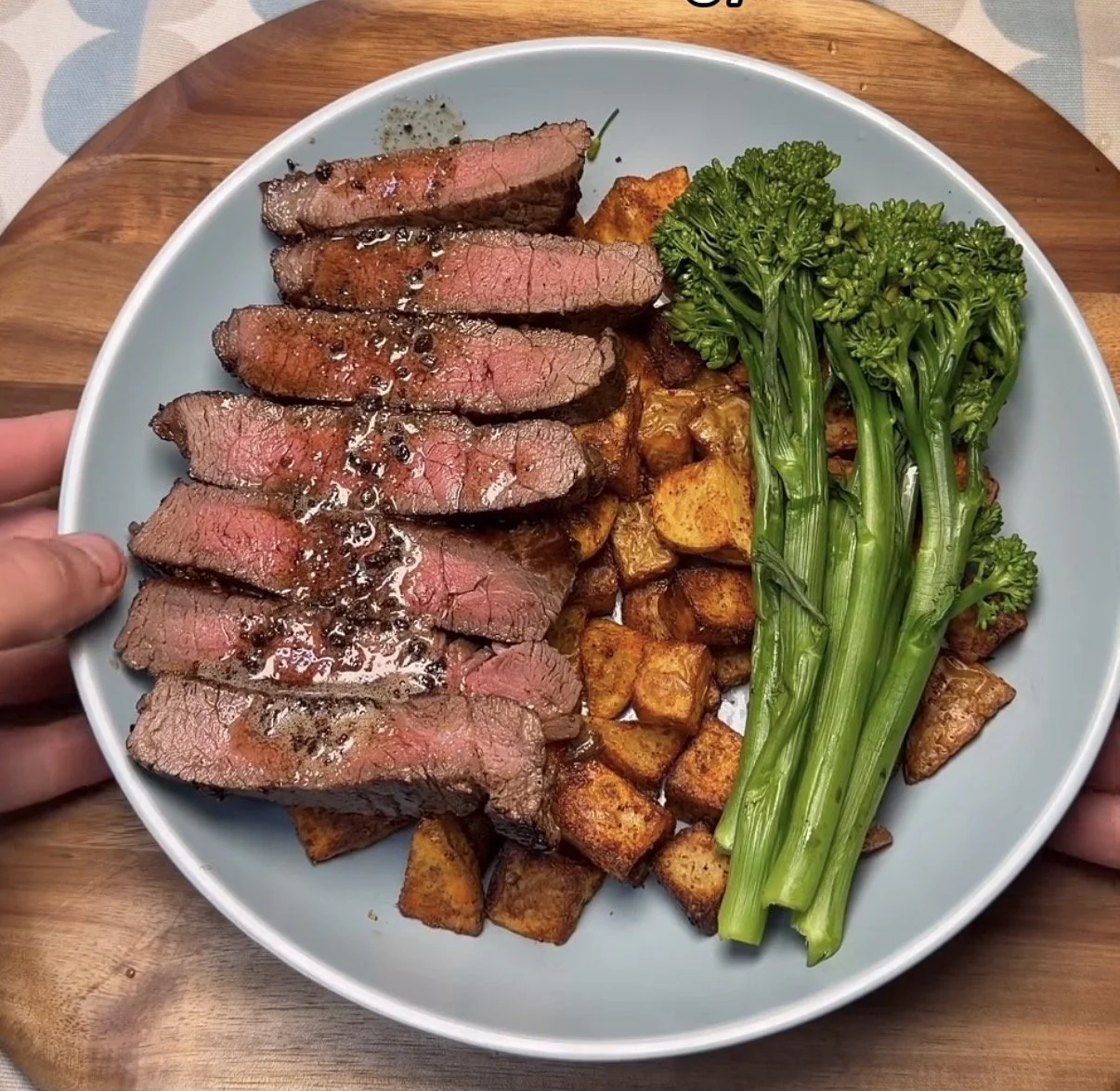
How to build a simple meal in four steps
1. Choose a protein (chicken, beef, fish, eggs, Greek yoghurt, beans)
2. Add a carb (rice, potatoes, pasta, bread, oats)
3. Add fruit or veg (broccoli, peppers, carrots, green beans, berries, banana)
4. Include some fat (eggs, nuts, olive oil, avocado, oily fish)
Then have a drink with it. Example: chicken, rice, mixed vegetables, a drizzle of olive oil and a glass of water. It really can be that simple.
Not every meal has to tick every box. Aim to get the balance right across the whole day and week.
The other stuff: fruit, veg, fibre and nutrients that matter
Calories and protein aren’t the only things that matter. Variety covers the rest.
Fruit and veg: at least 5 portions of different fruit and vegetables a day. Fresh, frozen and tinned all count. Eat different colours rather than the same one or two every day.
Fibre: around 30g a day at 16 to 18, from fruit, veg, oats, wholegrain bread, wholewheat pasta, potatoes with the skin, beans, lentils, chickpeas, nuts and seeds.
Calcium: important for building bones while you’re still growing. UK reference values for 15 to 18 year olds are 1,000mg a day for males and 800mg for females. Milk, yoghurt, cheese and fortified dairy alternatives are easy sources.
Iron: helps your blood carry oxygen. The UK reference intake for 15 to 18 year olds is 11.3mg a day for males and 14.8mg for females, because iron needs go up once periods start. Red meat, beans, lentils, fortified cereals and green veg all help.
Vitamin D: everyone in the UK over 4 should consider 10 micrograms a day in autumn and winter.
You don’t need to count every gram if you regularly eat a good range of these foods.
What should you eat before and after the gym?
Before training, a normal meal or snack with carbs and some protein works well. Yoghurt with oats and a banana, chicken and rice, or cereal and milk are all fine. If you had a proper meal a few hours earlier, you don’t need to force another one down.
After training, have a normal meal with protein, carbs, a drink and fruit or veg where you can.
You don’t need to panic about a 30-minute “anabolic window” or drink a shake the second your last set finishes. Getting enough food across the whole day matters far more than timing any single meal.
Hydration: the simplest check you’ve got
Drink regularly through the day, and more when you’re training, sweating or it’s hot. For most gym sessions, water is completely fine. You don’t need an expensive sports drink.
The easiest check is the colour of your urine. Pale yellow usually means you’re well hydrated. Very dark means drink more.
Can you still eat treats?
Yes. Chocolate, pizza, burgers and desserts can still be part of your diet. One meal doesn’t make you unhealthy, and one meal doesn’t make you gain meaningful body fat overnight.
Healthy eating should never make you scared of food. You should still be able to eat with your family, go out with friends, have birthday cake and enjoy holidays. If your eating plan means you can’t do normal social things, it’s probably too restrictive. My post on gym confidence and keeping fitness healthy covers this in more detail.
Signs you’re not eating enough
Watch out for constant tiredness, falling performance, struggling to recover, frequent injuries or illness, feeling cold a lot, mood changes and trouble concentrating. For girls, periods becoming irregular or stopping alongside heavy training shouldn’t be accepted as part of “getting fitter”.
These signs can have lots of causes, so don’t try to diagnose yourself. Talk to a parent or guardian and a healthcare professional.
FREQUENTLY ASKED QUESTIONS
What should a 16 year old eat to build muscle?
Regular meals built from a protein, a carb, fruit or veg and some healthy fat. Eat enough overall, include protein through the day, and pair it with consistent training and good sleep. No special food or supplement replaces those basics.
Do teenagers need protein shakes?
No. You can get all the protein you need from normal food. A shake can be convenient if getting protein from meals is hard, but it doesn’t build more muscle than the same amount of protein from food.
What is a good pre-workout meal for a teenager?
Something with carbs and a bit of protein, like yoghurt with oats and a banana, chicken and rice, or cereal and milk. If you ate a proper meal a few hours before, you probably don’t need anything extra.
Should teenagers count calories?
Most don’t need to. Building balanced meals and eating when you’re hungry works for most young people. If tracking food starts to make you anxious, stop and talk to someone.
Is it bad to eat junk food if you go to the gym?
No single food ruins your progress. Treats can be part of a balanced diet. What matters is what you eat most of the time.
Want help with food as well as training?
My coaching for teens and young adults includes simple nutrition guidance and recipes built around normal family meals, not strict diets. If you’re wondering whether you need to eat more to grow, read should teenagers bulk? next, then check what’s actually worth buying in supplements for teenagers.
Beginner gym routine for teenagers: sets, reps and how heavy to go
Sets, reps, weight and rest explained in plain English, plus a full-body beginner routine you can take into the gym this week
Quick answer..
A good beginner gym routine for teenagers is a full-body session done 2 to 3 times a week. Do 1 to 2 sets of 8 to 12 good reps per exercise, with a weight that leaves about two reps in the tank. Rest 1 to 3 minutes between sets. Write everything down and try to beat one number slightly each week. That’s progressive overload, and it’s how you keep improving.
Most teenagers who go to the gym don’t follow a plan. In a small survey we ran in September 2026, 11 of the 17 young people who said they go to the gym had no programme at all. Six of those 11 were still training three or more times a week.
That’s a lot of effort without a map. You turn up, do whatever feels right, and wonder why nothing seems to change. The fix isn’t a complicated plan. It’s a simple one, followed properly.
The only two words you need on day one
Rep: one complete movement. Lowering and pressing a chest press once is 1 rep.
Set: a group of reps done in a row. Ten reps, then a rest, is 1 set of 10.
When a plan says “2 x 10”, it means 2 sets of 10 reps. That’s most of the jargon you need for now. For everything else, there’s my gym glossary.
How many sets and reps should a beginner do?
Start with 1 to 2 sets of 8 to 12 good reps on each exercise. The American Academy of Pediatrics gives this as a starting point for young beginners, and it works just as well at 18 or 19.
Why so little? Because at this stage you’re learning the exercise. One or two sets gives you enough practice to get better at it while keeping the weight manageable. You don’t need to test your maximum strength every session. Add more sets gradually as your technique gets better.
How heavy should I lift?
Heavy enough that the last few reps feel challenging. Light enough that your technique holds.
Too Easy: You Could do loads more
About Right: Challenging at the end, technique holds, about 2 good reps left
Too Much: Every set taken to failure, form falling apart
Aim for the middle column. Coaches call those spare reps “reps in reserve” or RIR. Two reps in reserve is roughly where a beginner should finish most sets.
If you’re unsure, start lighter. You can always add weight next time. You can’t undo a bad rep.
How long should you rest between sets?
Don’t rush. Shorter rest doesn’t make the workout better. Rest long enough to do the next set properly.
Smaller exercises (curls, raises, most machines for one muscle): 1 to 2 minutes
Bigger exercises (squats, presses, rows, anything that leaves you breathing hard): 2 to 3 minutes or longer
Progressive overload: how you keep improving
Progressive overload means asking your body for slightly more than last time. It doesn’t always mean more weight.
Progress can be:
• One more rep
• Slightly more weight
• Better technique
• Better control
• A fuller, more comfortable range of motion
• The same workout feeling easier
Keep a training log
Your body adapts to what you repeatedly ask it to do. A log is how you ask for a little more each time, on purpose.
Write down the exercise, the weight, the reps and the sets. Use your phone notes, an app or a notebook. Next session, try to beat one of those numbers slightly. There’s a printable log in my first gym checklist.
How often should you change your routine?
Less than you think. A simple programme followed consistently beats a workout that changes every week. Stick with the same exercises for at least 6 to 8 weeks so you can actually see yourself getting better at them.
What about cardio?
Cardio doesn’t automatically stop you building muscle. Walking, cycling, swimming, football and other sport all count.
If you’re under 18, UK guidance says to average at least 60 minutes of moderate to vigorous activity a day across the week. That doesn’t mean 60 minutes on a treadmill. Sport, PE, walking to college and your gym sessions all add up. From 19, the adult guidance is at least 150 minutes of moderate activity a week plus strength work on at least two days.
FREQUENTLY ASKED QUESTIONS
How many sets and reps should a teenage beginner do?
Start with 1 to 2 sets of 8 to 12 reps per exercise using a weight you can control. Add more sets gradually as your technique improves.
Should a beginner train to failure?
No. Finish most sets with about two good reps left in the tank. Taking every set to complete failure adds fatigue and makes good technique harder to hold. You can learn to push closer to failure as you get more experienced.
Is a full-body routine better than a split for beginners?
For most beginners, yes. Training the whole body 2 to 3 times a week means you practise each movement more often, which helps you learn faster.
How do I know when to increase the weight?
When you can do the top of your rep range (for example 12 reps) on all your sets with good technique, add a small amount of weight. Your reps will drop a little, then you build them back up.
Does progressive overload just mean adding weight?
No. More reps, better technique, better control or a bigger range of motion all count as progress.
Want a plan built around you?
A routine is only useful if you follow it. If you want one built for your goals and your week, with videos for every exercise and someone checking your progress, see my coaching for teens and young adults. If you’re new to all of this, start with what to do in your first month at the gym.
First time at the gym? What to do in your first months (ages 16-19)
Going to the gym for the first time at 16 to 19? Here’s what to do in your first month, how heavy to lift and what to ignore. Simple, honest, advice.
QUICK ANSWER
In your first month, treat the gym as a skill course, not a strength test. Go 2 to 3 times a week on days that aren’t back to back. Do 1 to 2 sets of 8 to 12 controlled reps on each exercise, using a weight you can handle with good technique. Write down what you lift. Eat properly and get plenty of sleep. That covers almost everything.
Your first time at the gym can feel like walking into a room where everyone else got the instructions. People seem to know which machine to use, how much to put on the bar and where to stand. You don’t. That’s normal, and it lasts a lot less time than you think.
When I started, I was a skinny teenager learning from online videos and guessing most of it. A lot of that guessing was wasted effort. This post is the version I wish I’d had: what to do in your first four weeks, and what to leave alone for now.
Why your first month is a skill course
The biggest change in your first few weeks isn’t muscle. It’s skill.
When you start, your body is learning how to do each movement. Your nervous system gets better at it session by session, which is why beginners often notice strength going up quickly. Visible muscle comes later. That’s not a problem. It’s the order things happen in.
So the goal for month one is simple: learn the movements, turn up regularly and leave each session knowing a bit more than the last one.
What should you do on your first day?
You don’t need a perfect plan for day one. You need a calm one. Before you start:
• Ask the gym for an induction so someone shows you how the main equipment works
• Know roughly which exercises you’re going to do (see my beginner gym routine for teenagers)
• Warm up for 5 to 10 minutes on a bike, rower or treadmill
• Start with light weights you can control
• Bring water
• Write down every exercise, weight and rep count
• Ask a member of staff when you’re unsure
That last one matters more than it sounds. Staff get asked how machines work every day. Nobody thinks less of you for asking.
How often should a beginner go to the gym?
Two to three sessions a week is enough to make very good progress. You don’t need to train every day.
Space them out so you’re not training hard on back-to-back days. Here’s a week that works for most beginners:
Monday: Gym Session
Tuesday: Move (walk, cycle, kick a ball about)
Wednesday: Gym session
Thursday: Move
Friday: Gym session
Saturday: Sport
Sunday: Rest
Muscles improve from training, food and recovery together. Adding more sessions doesn’t help if the quality of your training or your sleep drops because of it. There’s more on this in rest days, sleep and sore muscles.
Machines or free weights: which is better for a beginner?
Neither. Machines aren’t worse than free weights, and dumbbells aren’t automatically better than machines. They’re useful for different exercises and different people.
Machines are a great place to start because they guide the movement and make it easier to learn. Pick exercises you feel comfortable doing. Free weights can come in as your confidence grows.
How heavy should you lift in your first month?
Pick a weight you can control from the first rep to the last. A good starting point for young beginners is 1 to 2 sets of 8 to 12 reps with light resistance. That’s the approach the American Academy of Pediatrics recommends for young people starting out.
By the end of each set, you should feel like you could have done about two more good reps if you really had to. That’s the sweet spot. If adding weight makes your technique change completely, it’s too heavy.
And don’t copy the weight the person next to you is using. They might have been training for five years. You’ve been training for five days.
What can you ignore for now?
A lot of what you see online isn’t meant for someone in their first month. You can safely skip:
• Supplements. You don’t need protein shakes, creatine or pre-workout to make progress. Food does the job. More on that in supplements for teenagers.
• Complicated splits. Push, pull, legs or “bro splits” can wait. A simple full-body plan is better while you’re learning.
• Bulking. You don’t automatically need to bulk because you started lifting. Read should teenagers bulk? before you start eating double portions.
• Training to failure. You don’t need to take every set until you physically can’t move the weight.
• Being sore. Soreness isn’t a score for how good your session was.
How old do you have to be to go to the gym in the UK?
It depends on the gym. Many UK gyms let you join and train on your own from 16. Some have junior memberships for younger teens that need an induction or supervision. Rules vary, so check with your gym before you sign up.
If you’re under 18, keep a parent or guardian in the loop about your training, especially if you’re thinking about supplements or a coach.
What progress looks like after four weeks
Don’t judge month one by the mirror. Judge it by this:
• You know how to use the equipment in your plan
• You’ve been 8 to 12 times
• You’re lifting a little more, or doing a few more reps, than week one
• Your technique feels smoother
• You walk in without that knot in your stomach
If you can tick most of those, your first month went well. The gym gets easier from here, and so does everything in it. If the nerves are the hardest part for you, read gym anxiety at 16.
FREQUENTLY ASKED QUESTIONS
What should I do on my first day at the gym?
Ask for an induction, warm up for 5 to 10 minutes, then do a few simple exercises with light weights you can control. Do 1 to 2 sets of 8 to 12 reps on each. Write down what you did so you can beat it slightly next time.
How many times a week should a teenager go to the gym?
Two to three resistance sessions a week, on days that aren’t back to back, is enough for very good progress. Fill the other days with walking, sport or other activity, and keep at least one full rest day.
Is it OK to only use machines as a beginner?
Yes. Machines are not worse than free weights. They guide the movement, which makes them a good way to learn. You can add dumbbells and barbells as your confidence and technique improve.
How long until I see results from the gym?
Strength usually goes up within the first few weeks because you’re getting better at the movements. Visible muscle takes months, not weeks. Think in months and years rather than 30-day transformations.
Do I need a personal trainer for my first time at the gym?
No, but someone qualified checking your technique early saves a lot of guesswork. At minimum, ask the gym for an induction and ask staff when you’re unsure.
Want a plan built for you?
If you’d rather not guess your way through the first few months, I coach 16 to 21 year olds through exactly this stage, in person in Guildford and online. You get a plan that fits your week, technique videos and someone to check in with. Have a look at coaching for teens and young adults or message me on Instagram @benfrancispt. If you’re under 18, I’ll need a parent or guardian’s consent.
New to gym words like RIR or progressive overload? My gym glossary explains them in plain English.

Why I started coaching gym-obsessed young adults
Why I want to support young lads and adults know what to do in the gym….and love it like I do
Why I started coaching: from skinny teen to bodybuilder with confidence.
Starting out in the gym as a teenage boy isn’t easy. I know, because I was that 17-year-old—skinny, low on confidence, completely lost. I’d walk into the gym, surrounded by adults who seemed to know exactly what they were doing, and I’d feel totally out of place. There’s so much pressure to look a certain way these days, but not much real help or guidance for young guys just starting out. That’s why I launched my online coaching business, aimed especially at teens and young adults.
When I first started, my only “coach” was YouTube and TikTok—hours spent watching fitness influencers, trying to copy their routines. I made a ton of mistakes: bad form, the wrong exercises, even hurting myself a few times. Nobody ever took the time to show me the basics, or explain why nutrition matters just as much as lifting. I struggled to gain weight and build muscle, and progress felt painfully slow.
But I stuck at it. I learned about the right foods to eat for muscle gain, how to structure a workout, and most importantly, how to train safely. Over time, I built momentum. Now I train 5-6 days a week, I’ve got 17.5 inch biceps, and the gym is my safe space—a place where I feel truly myself.
That’s the experience I want to share: real, practical advice for teenage boys and young men who want to start their fitness journey with confidence. If you’re looking for a UK online personal trainer for teens, or just a guide for teens in gyms, you’re in the right place. I want to help you avoid the mistakes I made and achieve your goals—faster, smarter, and safely.
Follow me on TikTok @benfrancispt for more tips and inspiration.