
Should teenagers take creatine? Supplements for teens explained
Protein powder, creatine, pre-workout and vitamin D explained honestly. What’s useful, what’s a waste of money, and what you should never take.
Quick answer: No, a teenage beginner doesn’t need creatine, protein powder or pre-workout to make good progress. Food, water and sleep come first. Protein powder is fine for convenience but isn’t magic. Research on creatine in teenagers is still limited, so under 18 it shouldn’t be started just because someone recommended it. The one supplement with specific UK guidance is vitamin D in autumn and winter.
Walk into any gym and you’ll see tubs everywhere. Protein, creatine, pre-workout, BCAAs, “test boosters”. It’s easy to think they’re part of the deal.
They’re not. Supplements should be exactly what the name says: a supplement to a good diet, not a replacement for one. A beginner doesn’t need a cupboard full of powders and tablets. Good food wins every time.
Do teenagers need protein powder?
No. You can get all the protein you need from normal food. Chicken, eggs, milk, Greek yoghurt, fish, beans and lentils all do the job.
Protein powder is a convenient source of protein. Whey comes from milk, and there are plant-based versions too. It can be useful when getting enough protein from meals is hard or inconvenient. But it doesn’t build more muscle than the same amount of good-quality protein from normal food. Use it for convenience, not because you think it’s magic.
Should teenagers take creatine?
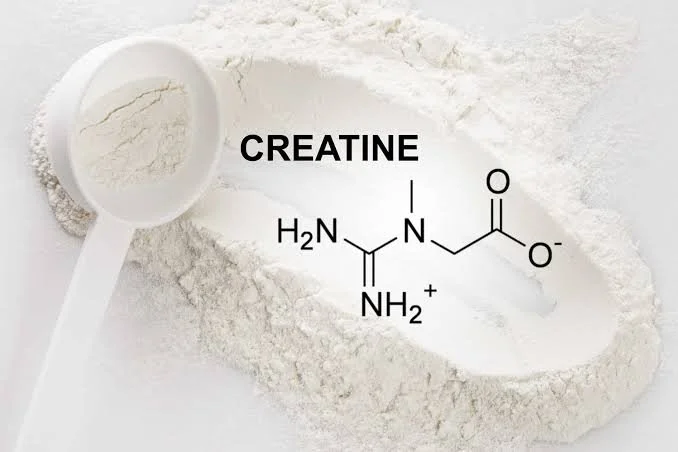
Creatine is a substance your body makes naturally. It’s also found in foods like meat and fish. Creatine monohydrate is widely used to help performance during repeated high-intensity exercise.
Does a beginner need it? No. You can make excellent progress without it.
Research on creatine in teenagers is much smaller than research in adults. Recent reviews haven’t found consistent short-term safety problems in the studies available, but the number of studies and the long-term data in teenagers is still limited. So under 18, creatine shouldn’t be started just because someone on social media or at the gym told you to.
If you’re thinking about it:
• Tell a parent or guardian
• Make sure your diet and training are already good
• Speak to a suitably qualified professional where needed
• Use a reputable, quality-tested product
If you’re 18 or 19, the same logic applies. Get the basics right first. Creatine tops up a diet and training plan that’s already working. It can’t fix one that isn’t.
Do teenagers need vitamin D?
Vitamin D is different from most gym supplements because there’s specific UK public health guidance on it. It helps keep bones and muscles healthy and helps your body use calcium.
Everyone in the UK over the age of 4 should consider taking 10 micrograms of vitamin D a day during autumn and winter. Some people are advised to consider it all year, including those who get very little sunlight and people with darker skin. Taking more isn’t better.
Pre-workout, caffeine and energy drinks
Caffeine is a stimulant that can make you feel more alert. It’s in coffee, energy drinks, pre-workout and some soft drinks.
Does a beginner need it to train? No.
The main problem is sleep. Caffeine can interfere with it, especially later in the day, and at 16 to 19 getting enough sleep matters far more than using stimulants because you’re tired. Don’t use caffeine to cover up poor recovery.
High-caffeine energy drinks have raised enough concern about young people’s health that the UK government has confirmed a ban on selling them to under-16s in England. It’s due to start in April 2027 and covers drinks with more than 150mg of caffeine per litre, in shops, vending machines and online.
Supplements you don’t need
Save your money on these:
• BCAAs
• Fat burners
• Test boosters
• “Muscle” pills
• Detox products
• Stacking several pre-workouts
If someone promises dramatic muscle gain or fat loss from a powder or tablet, be cautious. The basics still matter more: training, nutrition, recovery and time.
Are supplements safe?
Supplements aren’t guaranteed to contain exactly what the label says. UK Anti-Doping warns that no supplement is guaranteed to be free of banned substances.
To stay safe:
• Don’t take random products from other people
• Read the ingredients
• Never be tempted by an unknown online brand
• Tell a parent or guardian if you ever take a supplement
• Don’t stack lots of products together
• Check whether you actually need it
If you compete in tested sport, look for products that have been batch tested, for example through Informed Sport. Batch testing reduces the risk but can’t make it zero.
Steroids and SARMs are a completely different thing from supplements, and you should never take them. I’ve covered why in is lifting weights safe for teenagers?
The simple rule
Food, water and sleep first. A supplement can only top up a diet that’s already working. No powder replaces a plate. If you’re not sure what a good plate looks like, start with what teenagers should eat to build muscle.
FREQUENTLY ASKED QUESTIONS
Is creatine safe for a 16 year old?
Research on creatine in teenagers is limited. Recent reviews haven’t found consistent short-term safety problems, but there isn’t much long-term data. A 16 year old beginner doesn’t need it. If you’re considering it, talk to a parent or guardian and a qualified professional first.
Can a 16 year old take protein powder?
Protein powder is a food product, but you don’t need it. You can get all the protein you need from meals. If you use it, treat it as a convenient snack, not a requirement, and keep a parent or guardian in the loop.
Should teenagers take pre-workout?
No. A beginner doesn’t need caffeine or pre-workout to train properly, and caffeine can affect your sleep, which matters more for your progress.
What supplements should a teenager take for the gym?
Most teenagers don’t need any. The one with specific UK guidance is vitamin D: 10 micrograms a day in autumn and winter.
When does the energy drink ban start?
The UK government has confirmed that selling high-caffeine energy drinks (over 150mg of caffeine per litre) to under-16s in England will be banned from April 2027.
Want honest advice on what to buy?
If you want a plan where food and training do the heavy lifting, see coaching for teens and young adults. For more on how muscle is actually built, read should teenagers bulk?