
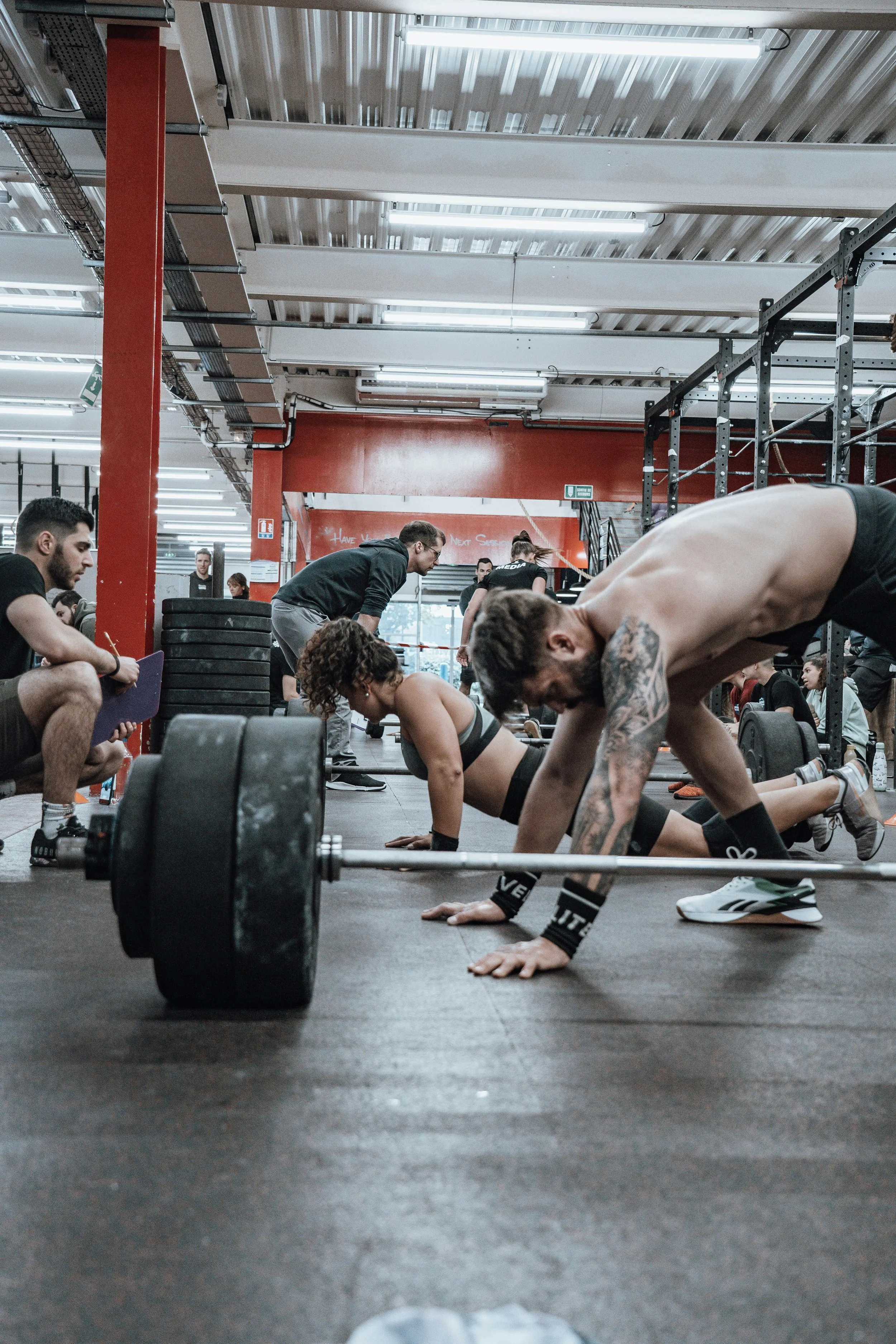
Gym anxiety at 16? How to feel confident in the gym (and keep it healthy)
Confidence in the gym isn’t a feeling you wait for. It’s built from evidence. Here’s how to get past the nerves and keep fitness good for your head.
Quick answer: Gym anxiety is normal, and it fades faster than you’d think. Start simple, learn one thing at a time, ask staff for help and focus on your own workout. Confidence comes from evidence, not from waiting to feel ready: every session you log is proof you can do it. Compare yourself only with your own starting point, and speak to someone if fitness starts controlling your life rather than improving it.
The hardest rep for a lot of beginners isn’t in the gym. It’s walking through the door.
You worry people will stare. That you’ll use a machine wrong. That you’re too small, too big, or obviously new. If that’s you, you’re not the only one. Everyone in that gym was new once.
Why gym anxiety happens (and why it fades)
When everything is unfamiliar, your brain treats it as a threat. Unknown room, unknown equipment, unknown rules. It’s the same feeling as a first day at a new school.
The fix isn’t to wait until you feel brave. It’s to make the gym familiar. You’re not expected to understand every machine or exercise straight away. What helps:
• Start simple
• Ask staff for help
• Train with someone you trust if you need to
• Focus on your own workout
• Learn one thing at a time
Most people in the gym are far more focused on their own training than on what you’re doing.
Confidence you can measure
Confidence in the gym isn’t a feeling you sit around waiting for. It’s a by-product of evidence.
Six weeks ago you didn’t know where the changing rooms were. Now you walk in, you know your programme, and you’ve added weight to a lift you couldn’t do at all. That’s not a mindset trick. It’s a record of things you actually did.
You’re not waiting to feel ready. You’re collecting proof. A simple training log makes this obvious, and there’s one in my first gym checklist.
Confidence built this way travels. Doing something hard on purpose and getting measurably better at it changes what you believe you can do outside the gym too.
Motivation vs routine
Motivation comes and goes. Some days you’ll be excited to train. Other days you won’t.
Routines make good habits easier to repeat when motivation is low:
• Have regular training days
• Pack your gym bag the night before
• Plan meals
• Keep a regular sleep routine
• Keep your programme simple
Commitment is the Tuesday session you do when you don’t feel like it. Motivation gets the credit. Commitment does the work.
Consistency doesn’t mean perfect
Consistency means you keep coming back.
None of these ruin anything: a missed session, a takeaway, a holiday, exams, bad sleep, a busy weekend.
What does cause problems is punishing yourself for them. Starving yourself, adding extra workouts, doing hours of cardio or skipping meals to “make up for it”. Just get back to your normal routine at the next chance. Progress comes from what you do over months and years, not whether every day was perfect.
Comparison and body image
At 16 to 19, two people the same age can look completely different. Genetics, height, puberty, training history, sport and body structure all play a part. Someone else’s body isn’t a useful target for yours.
Compare yourself with your own starting point. Look at strength, fitness, technique, energy, confidence and consistency, not just how you look. If you want to understand why development varies so much, read should teenagers bulk?
What training does to your mood
Training changes how you feel, not just how you look. Most people notice it long before they see anything in the mirror.
When you train, your body releases endorphins, the chemicals behind that lifted feeling after a hard session. Dopamine, which is tied to motivation and reward, is part of why finishing something difficult feels good. Nobody can promise you a mood, but UK guidance does say regular physical activity supports better mood, better sleep, lower anxiety and higher self-esteem in young people.
The look takes months. The mood shows up the same day.
Training won’t fix a bad day on its own. But it changes how the day feels, and it doesn’t cost you anything.
Training with other people
Gyms look intimidating from the outside and turn out to be one of the easier places to meet people. Everyone there is doing the same thing at the same time.
• Train with a friend where you can
• Ask someone for a spot
• Learn the names of the staff
• Say yes when someone asks how many sets you’ve got left
A session with someone else is easier to turn up to and harder to skip.
When fitness starts becoming unhealthy
Fitness should improve your life, not control it. These are worth talking to someone about:
• Constantly worrying about food
• Being frightened of certain foods
• Often skipping meals
• Fast or unexplained weight loss
• Feeling guilty whenever you eat
• Feeling guilty for taking a rest day
• Exercising because you feel you have to “burn off” food
• Training through injuries
• Constantly checking your body
• Hiding supplement or drug use
For boys, signs can also include being obsessed with getting bigger, always feeling “too small”, extreme bulking and cutting, using large amounts of supplements, hiding performance-enhancing drugs and extreme dieting to stay lean. For girls, periods becoming very irregular or stopping, or training and dieting starting to control your life, are worth taking seriously.
NHS guidance recognises very restrictive eating, rigid routines around food and excessive exercise as possible warning signs of eating difficulties. They don’t automatically mean someone has an eating disorder, but they’re worth being open and talking about.
Know when to ask for help
You don’t have to sort everything out on your own. Depending on the problem, useful people include a parent or guardian, your GP, a school nurse, a physiotherapist, a registered dietitian or a qualified coach.
Exercise supports your mood, but it isn’t treatment. If you feel low most days, if things you used to enjoy have stopped feeling good, or if training has become the only thing holding your week together, tell someone. If food or body image is worrying you, Beat, the UK’s eating disorder charity, has a helpline and online support.
Speaking to someone early isn’t an overreaction. It’s the same as asking a coach to check your technique.
FREQUENTLY ASKED QUESTIONS
How do I get over gym anxiety?
Make the gym familiar. Go at quieter times at first, ask for an induction, follow a simple plan, and learn one thing at a time. Every session you complete makes the next one easier.
What should I do if I feel like everyone is watching me at the gym?
Remember that most people are focused on their own training. Put your headphones in, follow your plan and write down your sets. Having a clear plan stops you wandering around looking unsure.
How do I stay motivated to go to the gym?
Don’t rely on motivation. Build a routine: fixed training days, a packed bag and a simple programme. Routines carry you through the days motivation doesn’t turn up.
Is it normal to compare my body to others at the gym?
It’s common, but it isn’t useful. People develop at different speeds. Compare yourself with where you started, using strength, technique, fitness and confidence.
Can going to the gym help with anxiety?
Regular physical activity is linked with better mood, better sleep and lower anxiety in young people. It isn’t a replacement for proper support, so talk to someone if you feel low most days.
Want someone in your corner?
For a lot of beginners, the hardest part is the first few weeks of not knowing what to do. That’s exactly what coaching fixes. My private gym in Guildford means no crowds and no waiting, and online coaching means you’ve got someone to message whenever you’re unsure. See coaching for teens and young adults. New to it all? Start with your first month at the gym.